
Brand New Doesn't Mean Problem-Free: Why Even New Builds Need a Building Inspection in NZ
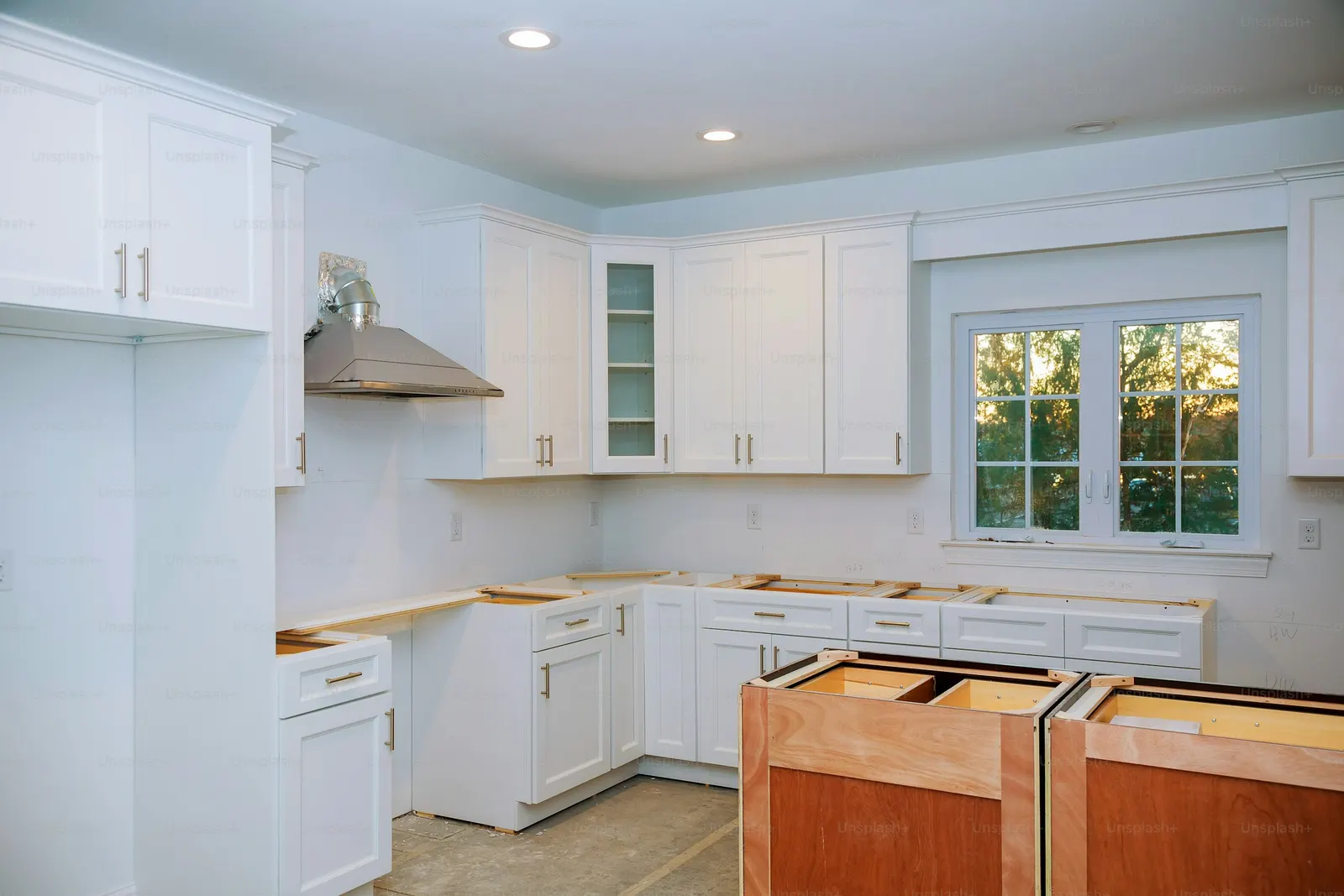
There's a common assumption among homebuyers that a new build is automatically a safe bet. After all, it's fresh off the tools, backed by warranties, and signed off by the council. Surely nothing could be wrong with it? The reality tells a different story. Recent figures show that around 37% of new builds in Auckland fail their council inspection on the first attempt. That's more than one in three homes that don't pass muster straight away. For anyone about to buy, or currently building, that statistic is worth sitting with for a moment.
Why New Builds Fail Inspections
New construction moves fast. Tight deadlines, multiple subcontractors, and high demand for tradespeople all create room for small errors to slip through. Some of the most common issues found during council inspections include incorrect flashing around windows and doors, inadequate insulation, drainage that hasn't been laid to the right fall, or minor structural elements that don't quite match the consented plans. None of this means the builder was careless or the home is unsafe to live in. Most of these issues are fixable, and many are the kind of thing that only becomes obvious once someone is specifically looking for it. That's really the heart of the matter: council inspectors are checking for compliance with the building code, not necessarily giving the home a full independent health check from a buyer's perspective.
Council Sign-Off Isn't the Same as an Independent Check
It's easy to assume that a Code Compliance Certificate means a home is flawless. In practice, a CCC confirms that the building work meets the minimum legal requirements at the time it was inspected. It doesn't cover everything a buyer might care about, such as the quality of finishing work, how well certain trades have been carried out, or issues that might only show up after the home has settled for a season or two. This is where an independent building inspection becomes genuinely useful, even for a property that's only just been finished. An inspector isn't limited to a compliance checklist. They look at the property as a whole, from the roofline to the subfloor, and flag anything that could turn into a bigger (and more expensive) issue down the line if left unaddressed.
What This Means If You're Buying or Building
If you're purchasing a new build, it's worth treating it with the same diligence as an older home. Ask questions about the build process, request copies of consent documentation, and consider getting an independent inspection done before settlement rather than assuming everything is fine because it's new. If you're partway through building your own home, a pre-cladding or pre-line inspection can catch problems while they're still easy and cheap to fix. Once walls are closed up, issues with wiring, insulation, or moisture barriers become far more disruptive and costly to correct.
The Takeaway
New doesn't automatically mean perfect. With well over a third of Auckland new builds needing another look before they pass council inspection, it's clear that construction quality varies even in brand new homes. A building inspection isn't a sign of distrust in the builder, it's simply a sensible step that gives buyers and homeowners a clearer picture of exactly what they're getting, so there are no surprises after the keys change hands.
Ready to book an inspection?
Book online in minutes or call us to talk through your property.